Two-Minute Calm: Micro-Habits That Reset Stress Fast

Today we dive into micro-habits to reset stress in under two minutes—tiny, science-backed actions you can use between meetings, in a noisy kitchen, or before a tough call. You will discover rapid breathing switches, grounding sensory anchors, and efficient body cues that shift your nervous system on demand, with simple scripts and pairing strategies you can try immediately. Keep this page open and practice along to feel the difference within minutes.

Why Short Resets Work So Reliably

Brief interventions align with how stress chemicals surge and fade, allowing you to interrupt spirals before they compound. When you act quickly, you steer attention, breath, and muscle tone toward safety signals your nervous system trusts. This prevents cognitive overload, preserves decision quality, and builds self-efficacy. The goal is not perfection, but rapid recovery loops that stack through your day without adding effort, equipment, or awkward rituals.

Breath Switches You Can Use Anywhere

Breathing is the fastest lever you control consciously, and tiny shifts can change heart rhythms, muscle tone, and attention. You do not need elaborate counts or perfect posture; you need a reliable exhale bias and comfortable rhythm. These techniques nest into daily moments, making them discreet and repeatable. Try them during loading screens, elevator rides, or while walking to the sink, and notice how quickly your mind steadies.

Physiological Sigh, Simplified

Take one steady inhale through the nose, add a short top-up inhale, then release a long, unforced exhale through the mouth. Repeat two or three times. This pattern helps offload carbon dioxide and softens internal noise quickly. It feels natural, looks subtle, and often produces a visible shoulder drop. Use it before hitting send, after a tense comment, or when you catch yourself clenching your teeth without noticing.

Box Breathing, Flexible Timing

Classic box breathing can be adapted to real life: inhale three, hold three, exhale four, hold one. Favor the slightly longer exhale to nudge calm without dizziness. Two rounds fit comfortably under a minute, restoring a sense of control. It is especially helpful when you anticipate pressure but still need to think clearly, like negotiating deadlines, answering unexpected questions, or reviewing a message you are tempted to fire off too quickly.

Extended Exhale Walking

As you walk, inhale across two or three steps and exhale across four or five. Keep it gentle, conversational, and sustainable. This pattern blends movement with breath so stress chemistry dissipates without feeling forced. Side benefit: your gait smooths, shoulders settle, and your attention widens from worries to the environment. Use corridor walks, hallway turns, or mailbox trips as built-in opportunities to rebalance without scheduling any special practice time.

Sensory Grounding in Seconds

{{SECTION_SUBTITLE}}
Cold Pulse Quick Reset

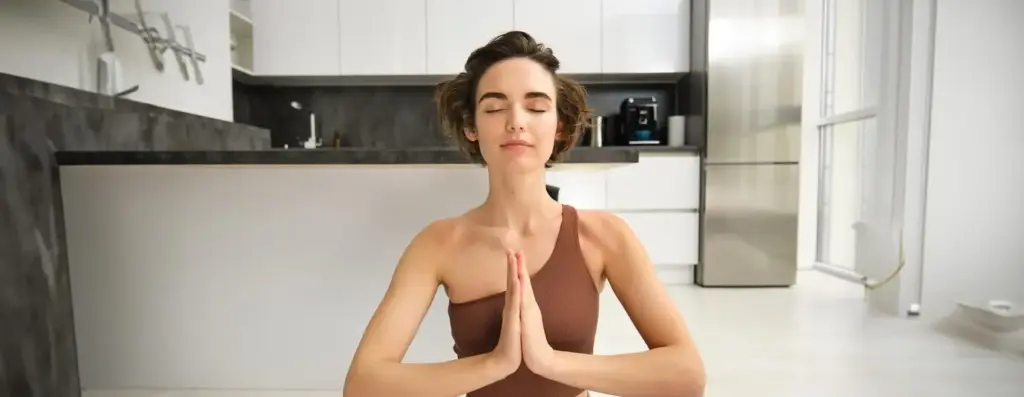
Run cool water over your wrists or hold a chilled spoon against your neck for twenty seconds. The temperature shift signals your body to recalibrate arousal, like tapping a brake gently. It is subtle, fast, and available in most kitchens or bathrooms. Pair it with one extended exhale and a micro-intention—“steadier now”—to reinforce the message. Great for pre-meeting jitters, drowsy afternoons, and moments when words feel too loud.

5-4-3-2-1, Compressed and Kind

Name five things you can see, four you can feel, three you can hear, two you can smell, and one you can taste. Go briskly without perfection. The point is reorientation, not performance. This scan reclaims attention from imagined futures and anchors it in sensory truth. Use it silently on public transport or during a long call, and watch catastrophizing loosen its grip as reality becomes textured and less threatening.

Name the Narrative

Silently say, “A story is happening that I will miss the deadline,” or whatever the mind is broadcasting. Labeling it as a story separates you from fusing with it. Add one factual anchor—“I have twenty minutes”—and one small action—“send clarification.” This elegant trio lowers anxiety and moves you forward. It is quick, compassionate, and surprisingly effective when panic wants you frozen or busily avoiding the next necessary step.

The Minute Map

On a sticky note, write three words: Now, Next, Later. Under Now, add one action under two minutes. Under Next, add the following tiny step. Under Later, park the rest. This reframes overwhelm into a navigable path. Tear off the Now word once completed to create a micro-win. Repeat as needed. The act of externalizing thoughts frees bandwidth and teaches your brain that progress can be small, immediate, and real.

Gratitude Flip, Ultra-Short

Name one specific person, object, or moment supporting you right now—a mug warming hands, a colleague’s quick reply, a lamp’s gentle glow. Then add why it matters today. This grounds appreciation in present experience, not vague ideals. The result is perspective without denial. It gently widens your frame, loosening catastrophic narratives while keeping urgency honest. Done repeatedly, it cultivates resilience that feels practical rather than performative or forced.

Body Cues That Tell the Brain You Are Safe
Jaw and Tongue Release

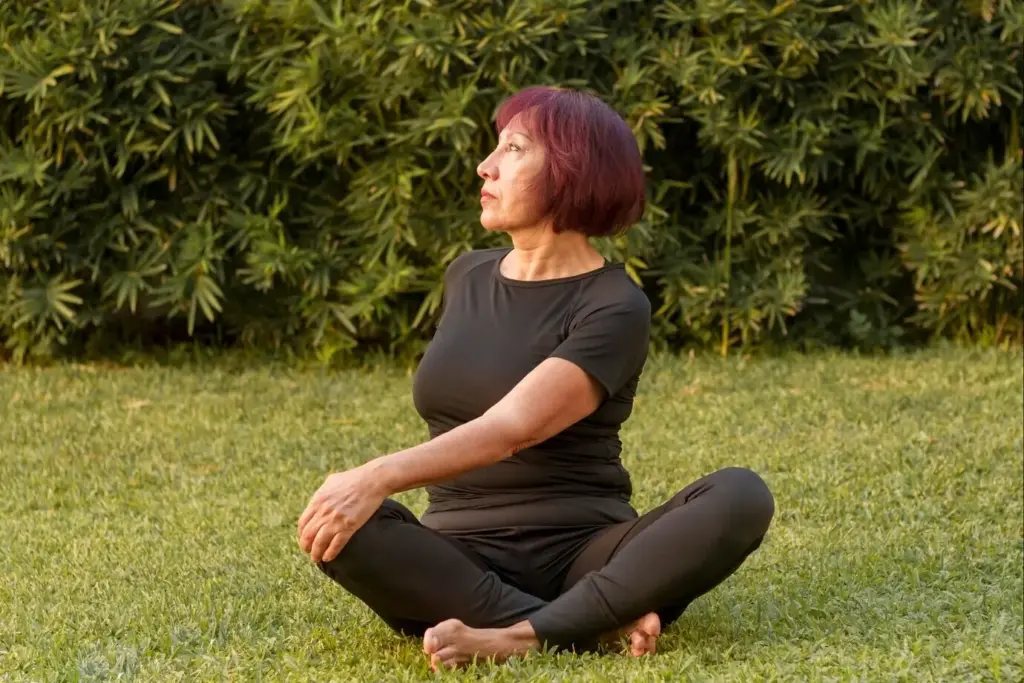
Place the tip of your tongue against the back of your top front teeth, let the jaw hang a millimeter, and massage the temples for two breaths. Then extend your exhale. This combo reduces clench and softens sympathetic drive. It is quiet, respectful in meetings, and instantly rewarding. Use before speaking, while listening, or whenever you notice grinding or head pressure building from concentration, caffeine, or fast decision cycles.

Shoulder Loop and Shake

Roll shoulders up, back, and down, then let the arms shake lightly for five seconds. Repeat once. Keep it tiny so it stays socially invisible. This resets protective shrugging and restores natural rib cage motion for easier breathing. Pair with one long exhale to complete the loop. It is a simple antidote to keyboard hunch, meeting tension, and the odd, creeping sense that your breath has shrunk to a narrow corridor.

Standing Calf Raise Pause

Rise onto your toes, pause for one breath, then lower slowly and feel the heels reconnect with the ground. This stimulates lower-leg pumps, improves circulation, and reorients attention downward when your thoughts are whirling. Add two steady exhales. It doubles as a posture refresher without attracting attention. Great beside a desk, during hallway pauses, or while waiting for the kettle, when the body wants to wring out anxiety quietly.

Assemble Your Two-Minute Reset Ritual

Zupolefupuvoti
Privacy Overview

This website uses cookies so that we can provide you with the best user experience possible. Cookie information is stored in your browser and performs functions such as recognising you when you return to our website and helping our team to understand which sections of the website you find most interesting and useful.